
Guest Blog: Diabetes Community Outreach - Reaching People Who Don’t Come Forward for Care
Posted: 30th April 2026
Diabetes Community Outreach: Reaching People Who Don’t Come Forward for Care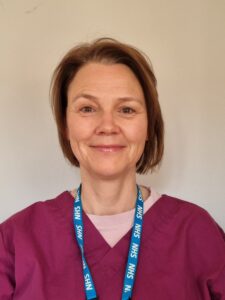
At the Innovation Hub, we champion best practice and support collaboration to accelerate improvement across the system. In this guest blog, Kate Leadley, Nurse Practitioner and Lead Nurse at Hillsborough Primary Care Network, shares how a community-led approach to diabetes care is improving outcomes and reconnecting people with services.
At Hillsborough Primary Care Network (PCN), we have been working with Sheffield Wednesday Community Foundation and supported by NHS South Yorkshire Integrated Care Board to rethink how diabetes care is delivered. We have taken a different approach to diabetes care – one focused on meeting people where they are. Our aim has been to bring care closer to people, rather than waiting for them to come forward.
Reaching people in the community
Many people living with or at risk of diabetes—particularly younger adults and those in more deprived communities—are difficult to engage. Traditional models of care were not reaching those most in need.
With £8,000 funding from the Integrated Care Board, the project focused on prevention, remission, and re-engaging younger adults aged 18–39. The aim was simple: reduce inequalities in access and reconnect people with services.
Taking services into the community
In October 2025, a large-scale ‘Healthier Together’ diabetes event at Sheffield Wednesday Football Club stadium demonstrated what this approach could achieve.
The event reached 102 people and delivered clear clinical impact:
- 8 cases of high blood pressure were identified, including 4 new diagnoses
- 3 people with raised blood sugar were referred for follow-up
- 1 irregular pulse detected, enabling early intervention
- 8 participants signed up for ongoing physical activity programmes
For many attendees, this was their first meaningful interaction with health services in a long time. The informal, trusted setting made it easier to ask questions and access support outside normal working hours.
This impact was reinforced through smaller outreach sessions in food banks, parks, and community venues. Across five sessions:
- 53 people were reached
- Early signs of high blood pressure and raised blood sugar were identified
- Individuals were reconnected with GP services
- One person received urgent follow-up after concerning symptoms were identified
These sessions showed that bringing care into community spaces can identify unmet need earlier and engage people who would otherwise remain outside traditional pathways.
Targeting those most at risk
Alongside outreach work, the project used data to focus on high-risk groups. A key priority was women with a history of gestational diabetes (GDM), who are significantly more likely to develop Type 2 diabetes.
In one practice, Supported by Sheffield Primary Care Development Nurses:
- 69 women identified and reviewed
- 53 eligible for prevention support
- 25% accepted referral
- Improved medication safety through prescribing reviews
This approach is now embedded into routine care through proactive patient searches, recall systems, and ongoing monitoring.
Improving access to prevention and remission
Delivering the NHS Diabetes Prevention Programme at the local Sheffield Wednesday Football Stadium improved both access and engagement. The first session attracted 55 participants, with group sizes exceeding national averages and strong retention throughout
A simple, targeted approach to remission referrals also proved effective through identifying eligible patients, direct invites and flexible information sessions.
- 36 referrals made
- 50% uptake achieved
This placed Hillsborough among the highest referring PCNs in South Yorkshire.
Re-engaging younger adults
Engaging younger adults with Type 2 diabetes has been a longstanding challenge. The project addressed this by offering: more flexible appointments, dedicated clinical time, continuity with a consistent clinician, access to exercise sessions with a free exercise band and video link to be able to continue the exercise at home
This led to:
- 12% increase in completion of 8 key care processes in some practices
- 25% improvement in uptake of retinal screening and routine monitoring
- Stronger ongoing engagement with services
A step change in eye screening
Low attendance for diabetic eye screening was identified as a key risk. By delivering screening in a community setting at Sheffield Wednesday Stadium, we were able to reach long-term non-attenders.
- 70 people who had not attended for years were screened
- All practices improved performance
- One practice increased uptake from 65% to 89%
A different way of delivering care
This project shows that improving diabetes outcomes is not just about increasing appointments—it is about changing how care is delivered.
By building trusted community partnerships and taking services directly to people, Hillsborough PCN and Sheffield Wednesday FC Community Programme has demonstrated how a relatively small investment can deliver meaningful impact and reduce inequalities.
Building on this success, the programme will continue to expand outreach activity and scale effective approaches across primary care.